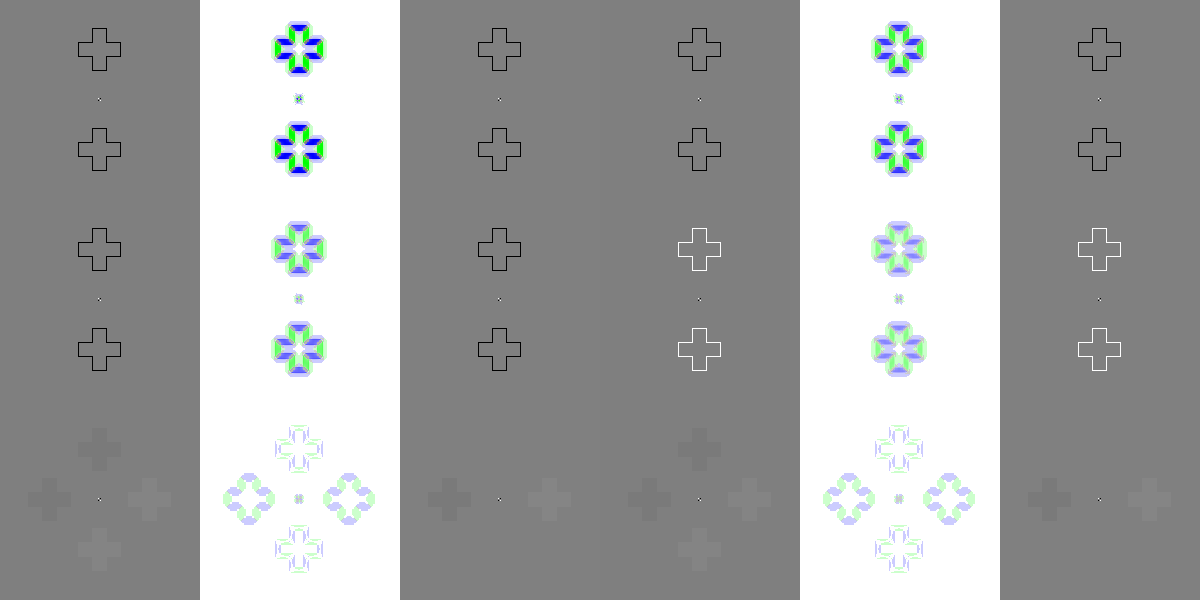
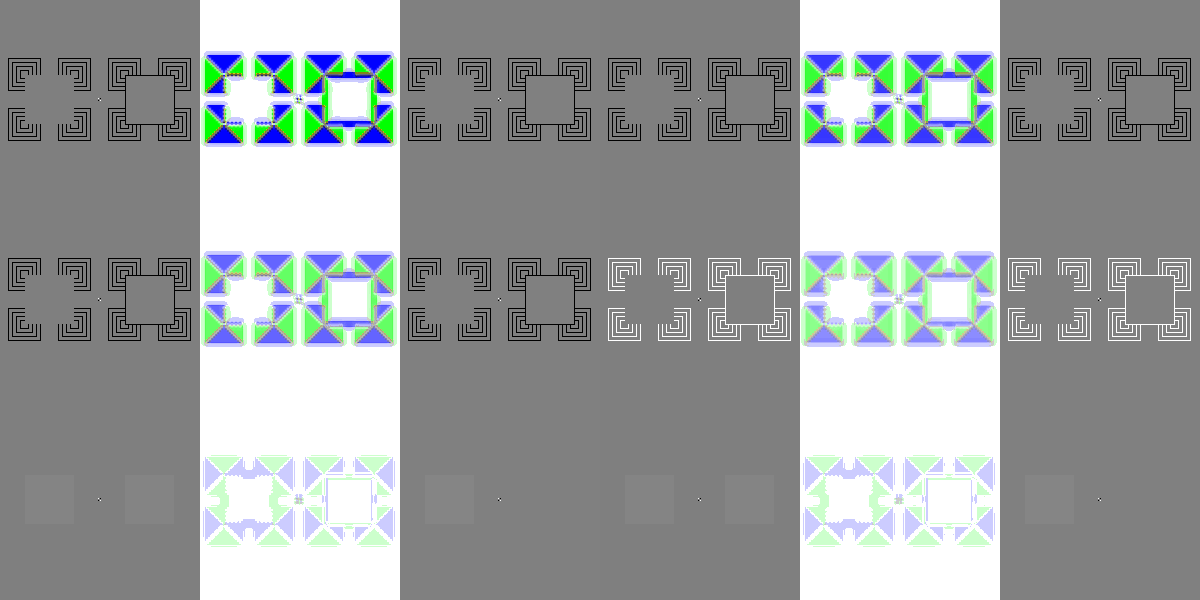
Stimuli on the left. Model contour signals in the middle. Model filling-in percept on the right.
Stimuli on the left. Model contour signals in the middle. Model filling-in percept on the right.
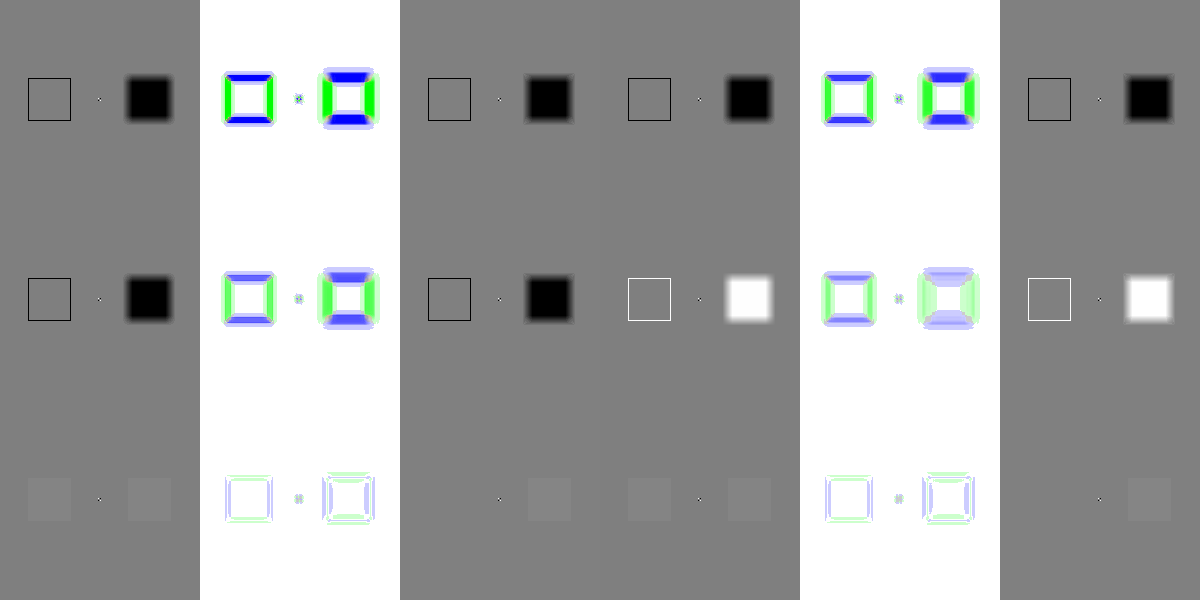
Stimuli on the left. Model contour signals in the middle. Model filling-in percept on the right.
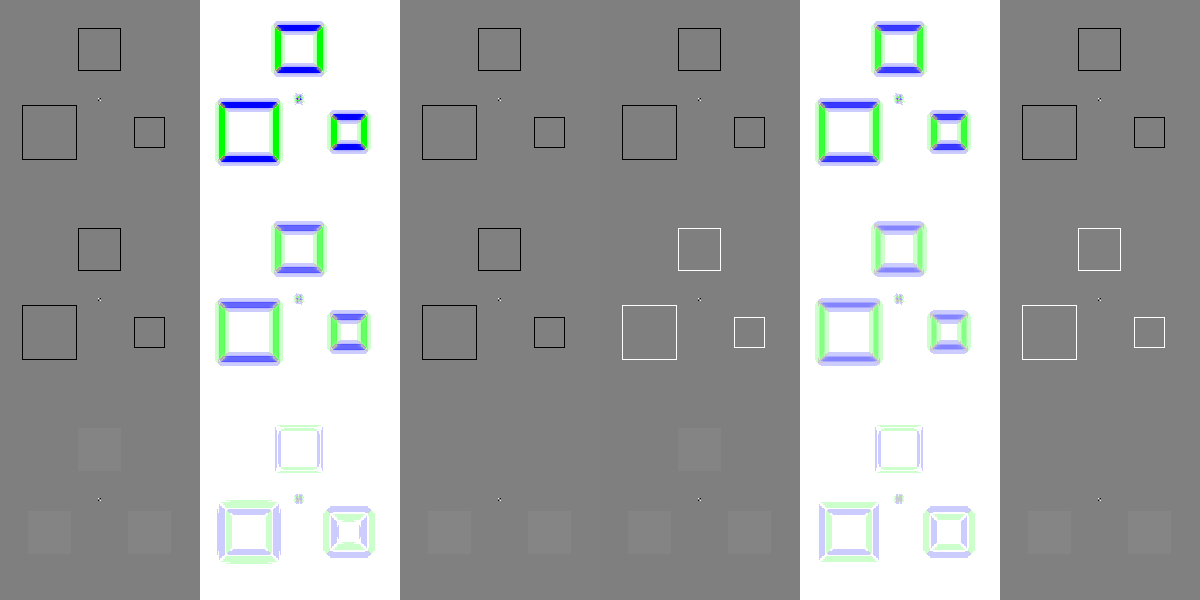
Stimuli on the left. Model contour signals in the middle. Model filling-in percept on the right. (Model predicts stronger erasure than subjects report.)
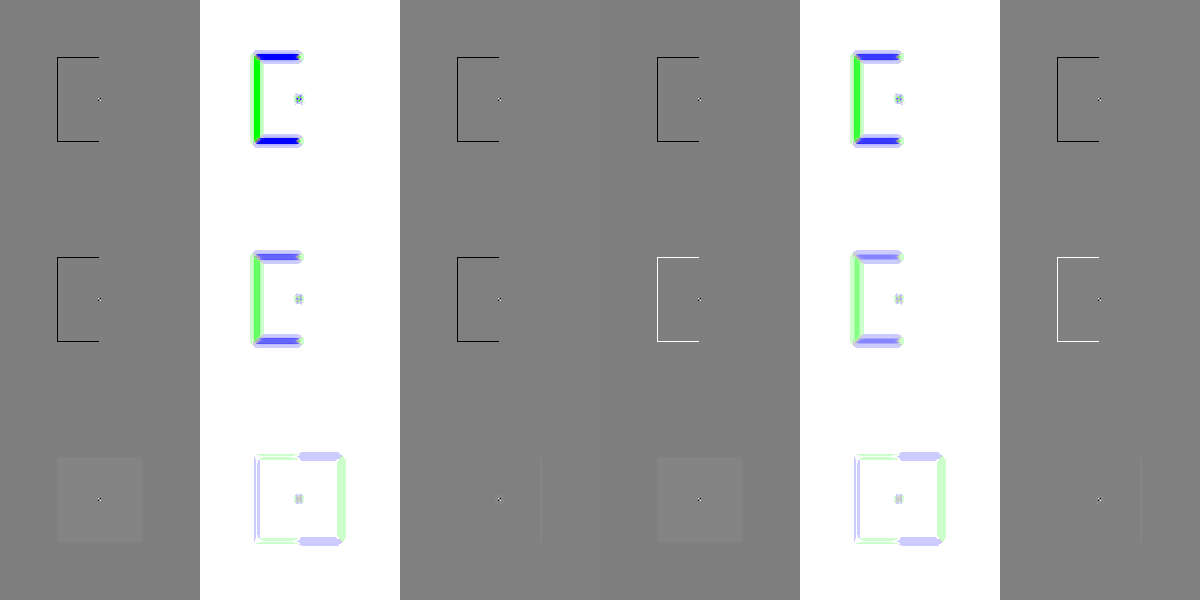
Stimuli on the left. Model contour signals in the middle. Model filling-in percept on the right.

Stimuli on the left. Model contour signals in the middle. Model filling-in percept on the right.
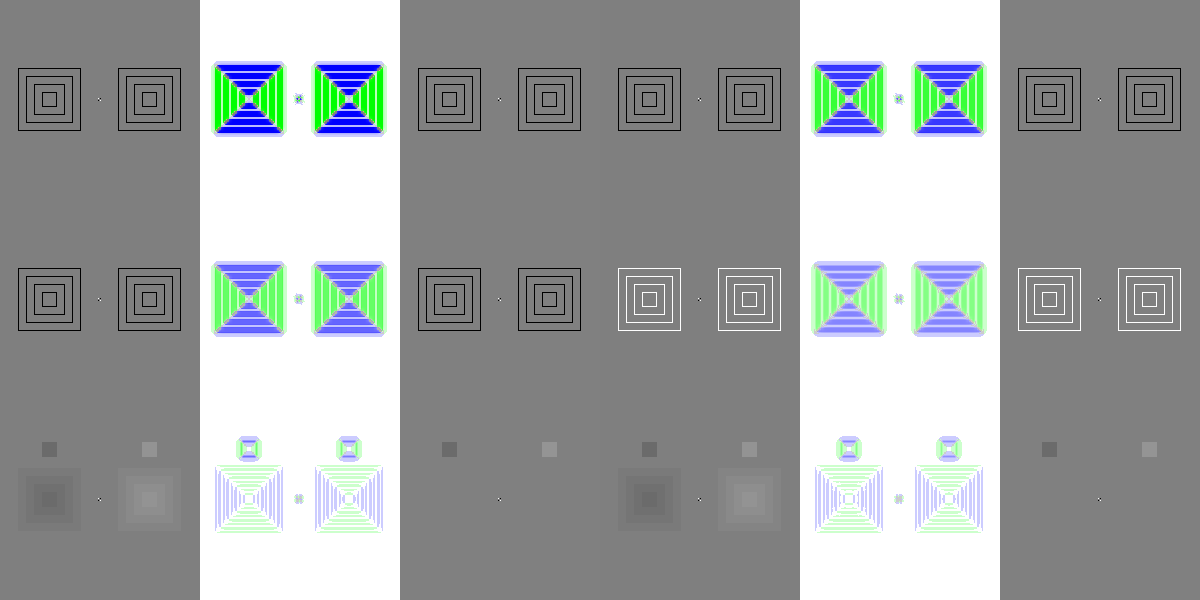
Stimuli on the left. Model contour signals in the middle. Model filling-in percept on the right. (Model does not demonstrate brightness contrast effect. Should be fixable.)
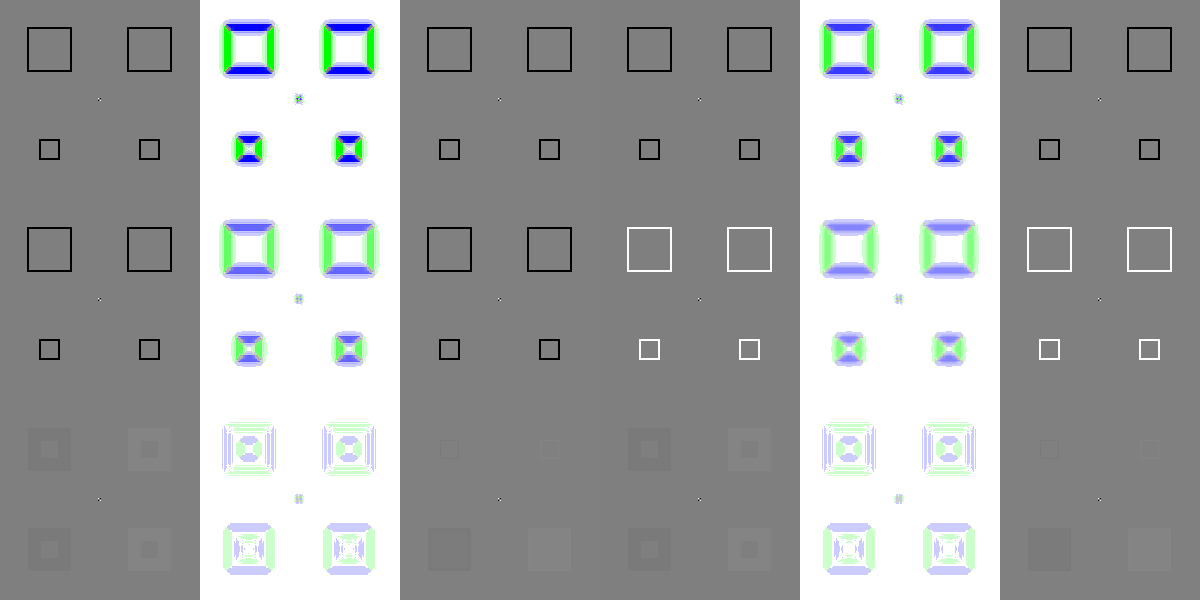
Stimuli on the left. Model contour signals in the middle. Model filling-in percept on the right.
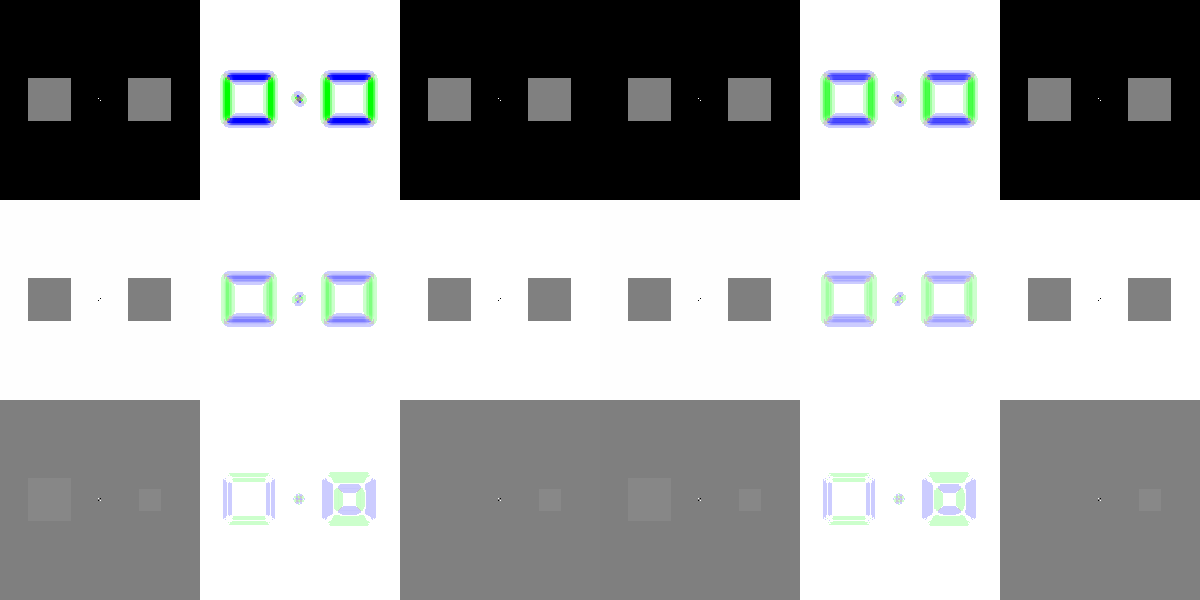
Stimuli on the left. Model contour signals in the middle. Model filling-in percept on the right.
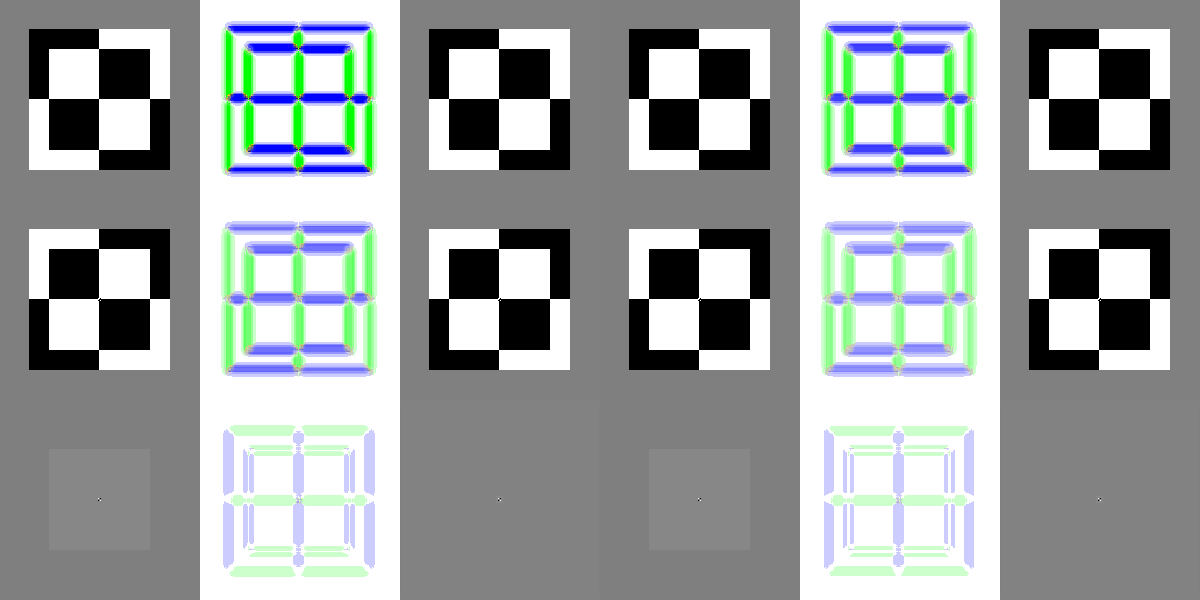
Stimuli on the left. Model contour signals in the middle. Model filling-in percept on the right.
.
.
.
.
.
.
.
.
.
.
.
.
.
.
.